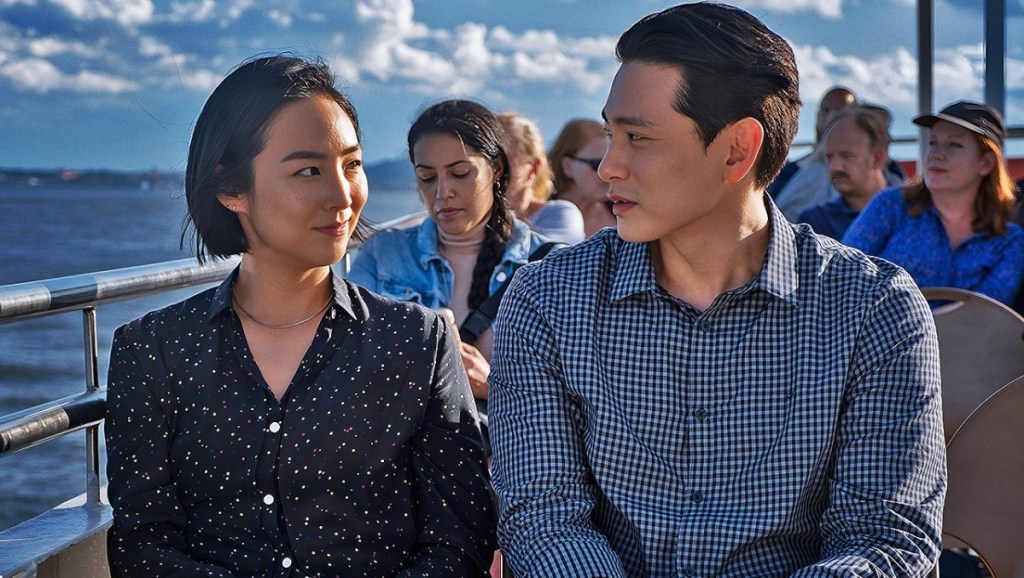
This is one of the most hyped movies at the beginning of 2024, but it has an excellent reason to be so. It takes us on the literal journey of a Korean woman who emigrated to the USA as a child, leaving his potential first love about to begin. Potential is a keyword in this text.
The potential is what the film builds all along its 1:46 h. run, and it is what might have desperate the couple of people who left the theatre during the screening I went to.
For me, the construction of that potential results in revolting tension and anxiety, with some notes of nostalgia, making you ride a rollercoaster through the female lead’s feelings, imagining which other path she could have followed, almost like on those children’s books where you could choose the end of a story. In this film’s universe, and generally in life, we can’t. And that can be frustrating, but it is a decision we have to accept.
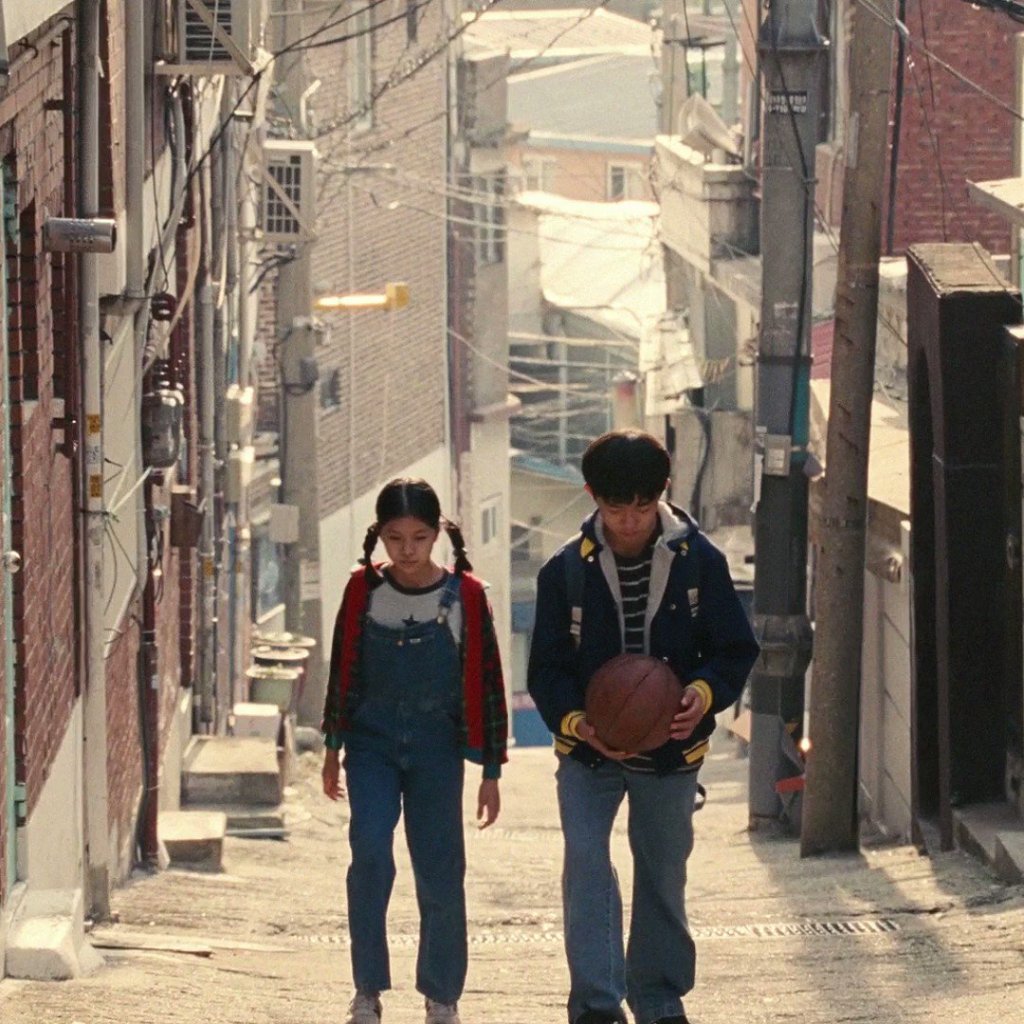
The above is what makes this film so talked about. It could have easily been called «Possibilities of a life». Without getting extremely deep or philosophical – because I don’t feel any authority to do it – what is a possibility but a chance between who knows how many millions of options? Stop thinking about the many ways it could have been wrong or bad, as it didn’t happen, and it is what it is. Otherwise, it’s torture. Self-torture.
Spoilers ahead
That hard and heavy concept is the one we must carry once the movie is over because why could this -again – potential love not be? This past life is in the past, and there is no possibility of placing it into the current one.
The movie explores the anxiety produced by all these possibilities, but hang on because we can find specific relief and ground reason in the Korean Buddhist concept of In-Yun, which puts a much comforting idea on the table: fate. From almost the movie’s beginning, the characters talk about their encounters, mainly about how hard it is, questioning the fact that it should be as complicated as that.
The In-yun concept, more than discussing the possibilities of our love fate, relates much more to how our paths cross and the impact and importance of those encounters in all of the versions of our lives we could imagine. It’s not a yes or no to our fate but an invitation to think of it as things will come as they should.
All the tension and melancholia built in the last 10 minutes make the film worth seeing, as they solve the story with adequate emotion and clearness about how migrating implicates accepting living and imagining other versions of yourself that you may not have known otherwise. We may not think about it when we do it (move far away), but it is inevitable to confront it at a certain point. Being a migrant or not, we evolve and change, and rather than only accepting it, we must embrace it.
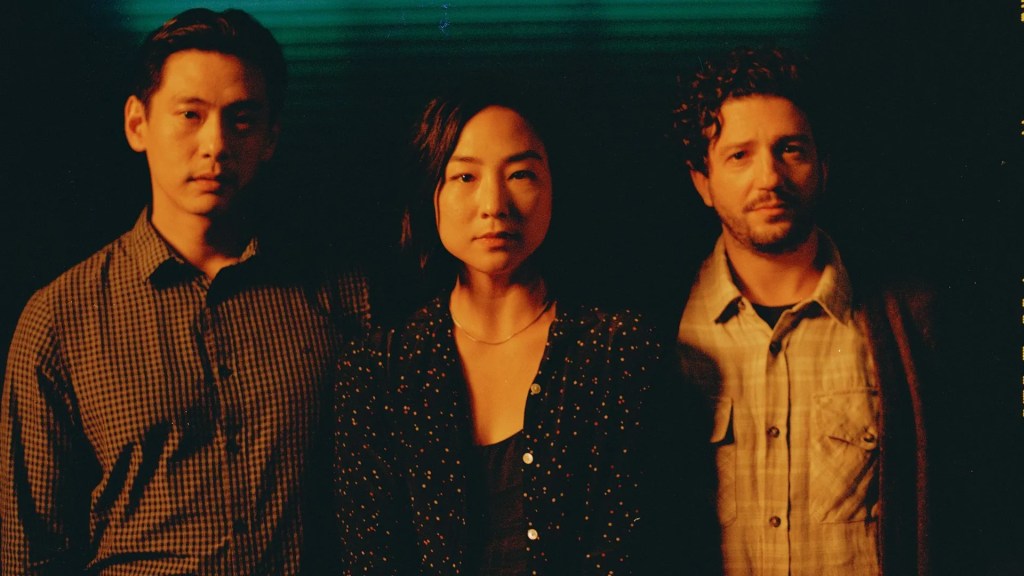
It’s not that he is too Korean for her now or that she is too American; it is that fate-speaking, it is not meant to be because, in this current life, her current self can’t be permanently attached and be carried down by her old self.
Thank you, cinema, for bringing to my mind and recollections the conversation at the bar, the boat ride, the Skype calls, and mainly, some existential questions that as a migrant who left home 10 years ago have come from time to time (mainly in the winter when nostalgia brings all kinds of memories of potential In-yuns).
 La Vie Not Rose
Deja un comentario