-
Saltburn: was 2008 that fun? I liked Emerald Fennel’s sarcastic, playful and dark version of it.
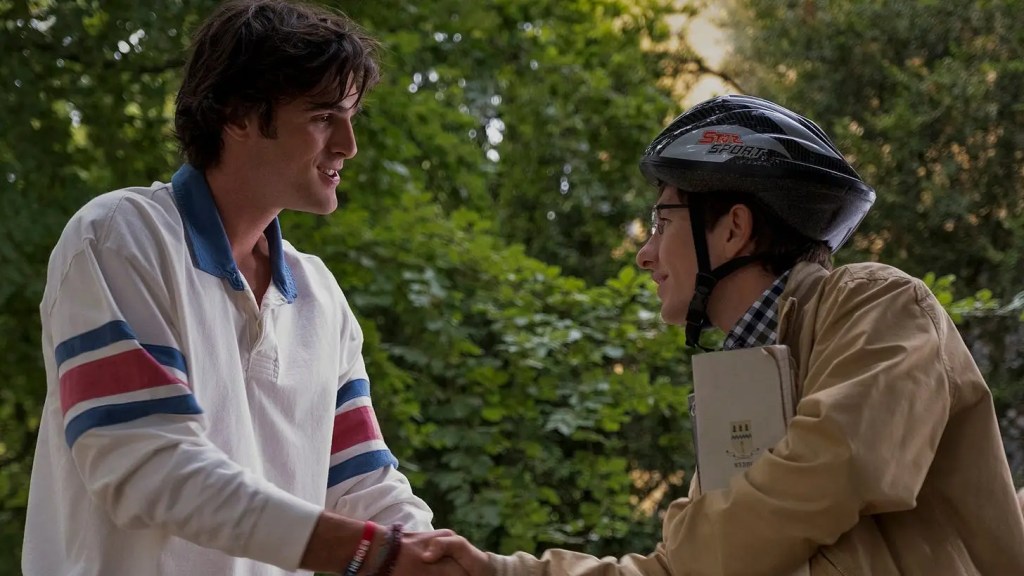
From the first trailer, this movie got me hooked. All cast members had been in some show or movie I enjoyed, and the satirical tone from the trailer, plus a director whose debut film I adored and thought was completely original in its narrative and profundity (Promising Young Woman), made of Saltburn probably my most awaited film at the end of 2023.
The internet and Gen Z’s obsession with TikTok spoiled it for me. I hate it when it’s so subtly explicit (if that could be a thing) that with just some repetitive hints, it ruins the most important parts of a film; I remembered when Lalaland’s ending plot twist was so talked about that even without exactly knowing what was going to happen, by the time Mia gets into the bar I knew who she had chosen to be with #sad.
I’ve seen a lot of comments talking about Saltburn being a ripoff or a wanna-be version of The Talented Mr. Ripley, but having watched that film recently, I think they just play in another league. The drama and intensity of The Talented… it’s not what Saltburn tries to display; it’s just not the same.

Saltburn is playful and explores other types of pleasures and needs in its main characters; even if we’re mainly focusing on Oliver, there is enough time for the other family members to have their moment to shine; would have been amazing to enjoy the beautiful photography and art direction at the cinema.
Aside from Jacob Elordi’s enormous popularity (I really enjoyed his performance in this film, mainly because I got rid of his twisted character of Euphoria), you can truly take this family as one to remember. The naughty chemistry shown throughout the film added to my admiration for Rosamund Pike Carey Mulligan and Richard E. Grant.
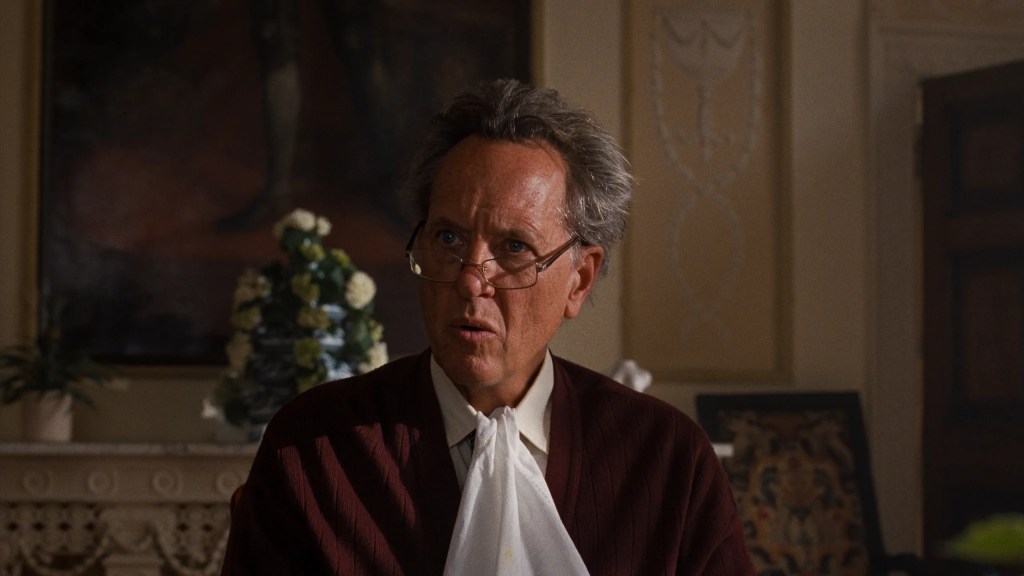
Saltburn is sassy, fun, and provocative… for a specific audience; I would dare to say that it is in the same way as Marvel movies are appealing to just certain types of public and is not a boring audience in any way; it is just that we have different interests.
Also, I’m sure the director (Emerald Fennell) knew who she was talking to. It is not revolutionary for cinema, but I perfectly see it as a first approach to certain types of movies for a teenager nowadays, same as it happened to me with The Virgin Suicides. I thought of it as a masterpiece, and also everyone at my Middle School, and it lasted like 10 years. Or more if we take in count the amount of books Sophia Coppola has sold in the past months.
This director is building her universe, and to be honest, I’m excited to see more of it.
*Spoilers*
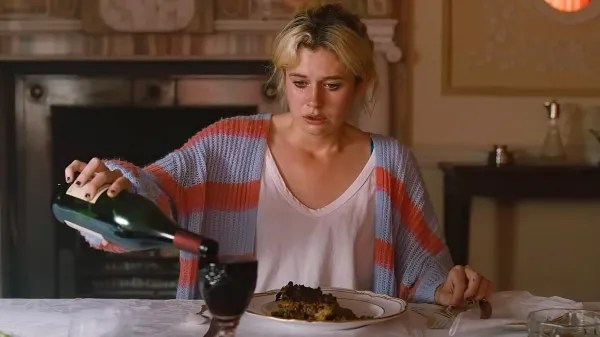
The film gave me a good feeling even with its very structured and intended darkness. I don’t know if it is Sophie Ellie’s Bextor iconic song closing, the «triumph» and «easy» conversion of the lead to a villain, the general feeling of being back in 2008 because I’m 34 years old, so obviously, I felt an enormous déjà vu through Arcade Fire playing casually on a bar… I liked that feeling, which may be shared with just certain portions of my demographic, and that is the whole point of a satisfying (whichever way you want to take it from this film) cinematic experience, isn’t it?

-
Past Lives: live and LET GO, otherwise…
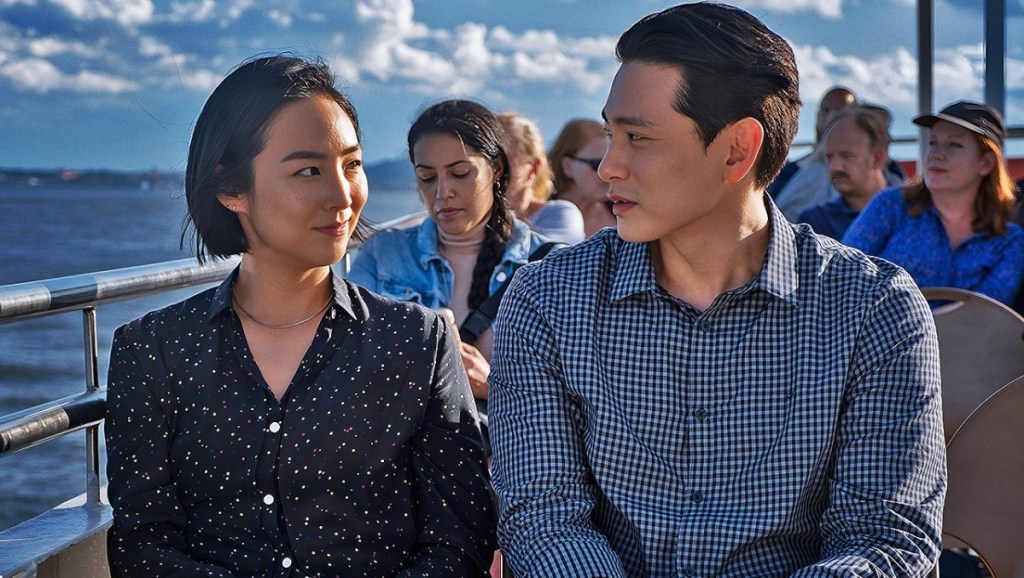
This is one of the most hyped movies at the beginning of 2024, but it has an excellent reason to be so. It takes us on the literal journey of a Korean woman who emigrated to the USA as a child, leaving his potential first love about to begin. Potential is a keyword in this text.
The potential is what the film builds all along its 1:46 h. run, and it is what might have desperate the couple of people who left the theatre during the screening I went to.
For me, the construction of that potential results in revolting tension and anxiety, with some notes of nostalgia, making you ride a rollercoaster through the female lead’s feelings, imagining which other path she could have followed, almost like on those children’s books where you could choose the end of a story. In this film’s universe, and generally in life, we can’t. And that can be frustrating, but it is a decision we have to accept.
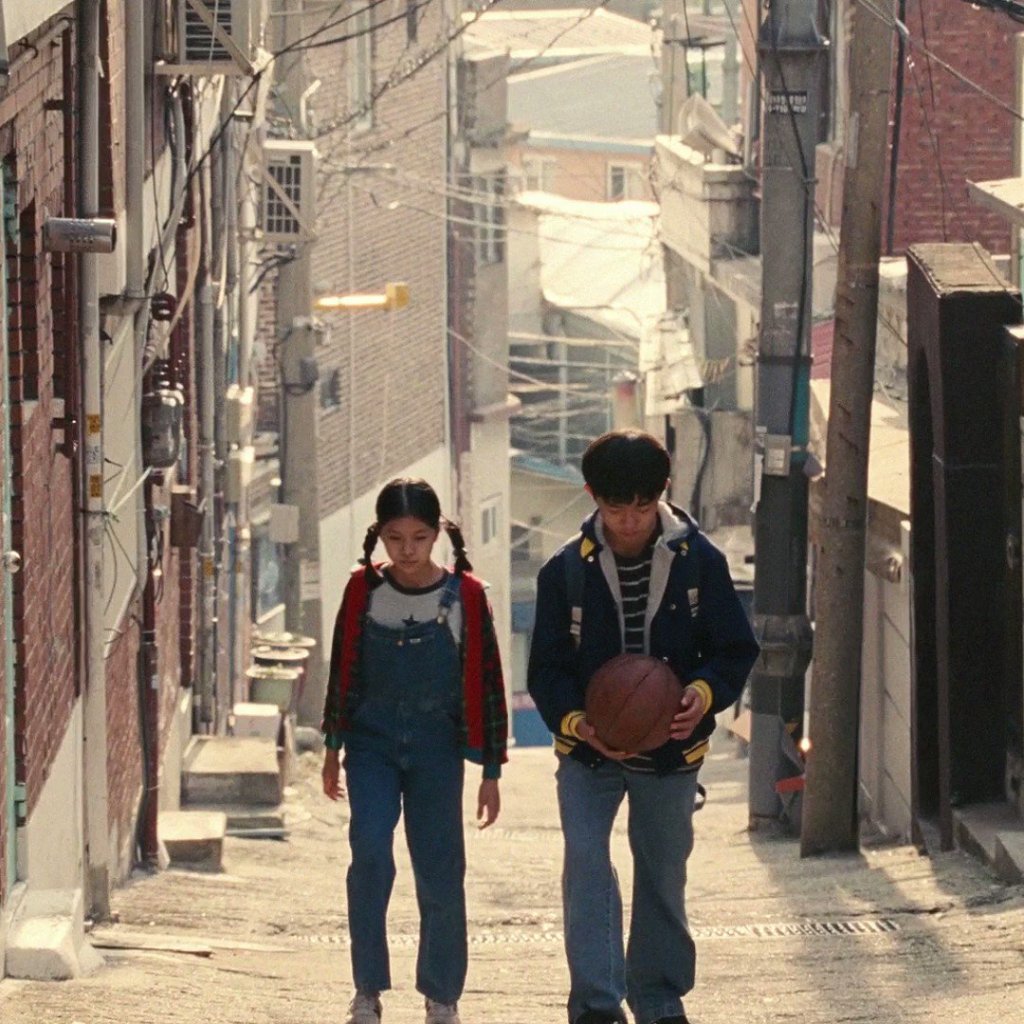
The above is what makes this film so talked about. It could have easily been called «Possibilities of a life». Without getting extremely deep or philosophical – because I don’t feel any authority to do it – what is a possibility but a chance between who knows how many millions of options? Stop thinking about the many ways it could have been wrong or bad, as it didn’t happen, and it is what it is. Otherwise, it’s torture. Self-torture.
Spoilers ahead
That hard and heavy concept is the one we must carry once the movie is over because why could this -again – potential love not be? This past life is in the past, and there is no possibility of placing it into the current one.
The movie explores the anxiety produced by all these possibilities, but hang on because we can find specific relief and ground reason in the Korean Buddhist concept of In-Yun, which puts a much comforting idea on the table: fate. From almost the movie’s beginning, the characters talk about their encounters, mainly about how hard it is, questioning the fact that it should be as complicated as that.
The In-yun concept, more than discussing the possibilities of our love fate, relates much more to how our paths cross and the impact and importance of those encounters in all of the versions of our lives we could imagine. It’s not a yes or no to our fate but an invitation to think of it as things will come as they should.
All the tension and melancholia built in the last 10 minutes make the film worth seeing, as they solve the story with adequate emotion and clearness about how migrating implicates accepting living and imagining other versions of yourself that you may not have known otherwise. We may not think about it when we do it (move far away), but it is inevitable to confront it at a certain point. Being a migrant or not, we evolve and change, and rather than only accepting it, we must embrace it.
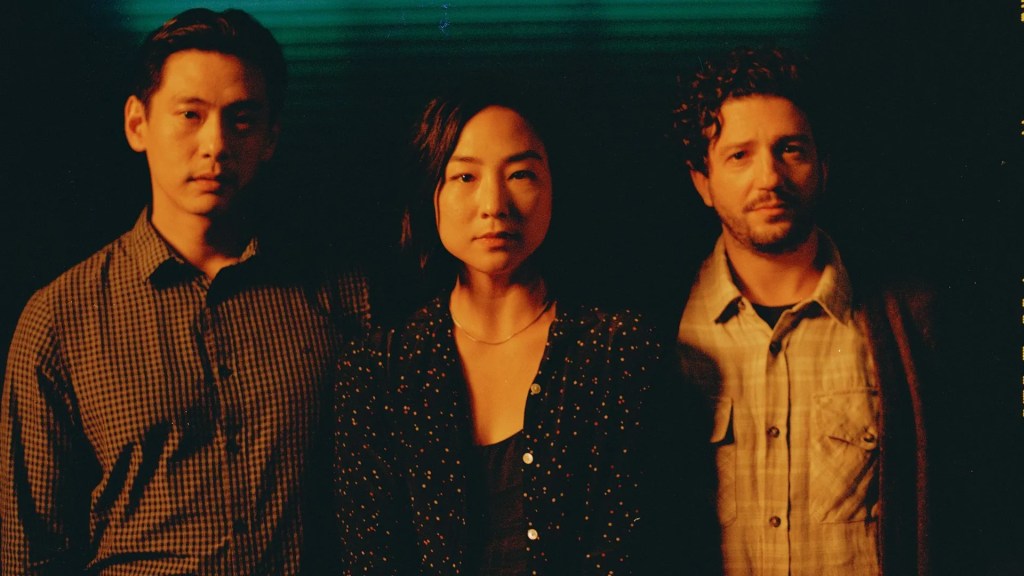
It’s not that he is too Korean for her now or that she is too American; it is that fate-speaking, it is not meant to be because, in this current life, her current self can’t be permanently attached and be carried down by her old self.
Thank you, cinema, for bringing to my mind and recollections the conversation at the bar, the boat ride, the Skype calls, and mainly, some existential questions that as a migrant who left home 10 years ago have come from time to time (mainly in the winter when nostalgia brings all kinds of memories of potential In-yuns).
-
The Society of The Snow: A Crash and Resurrection and all the Faith and trauma in between
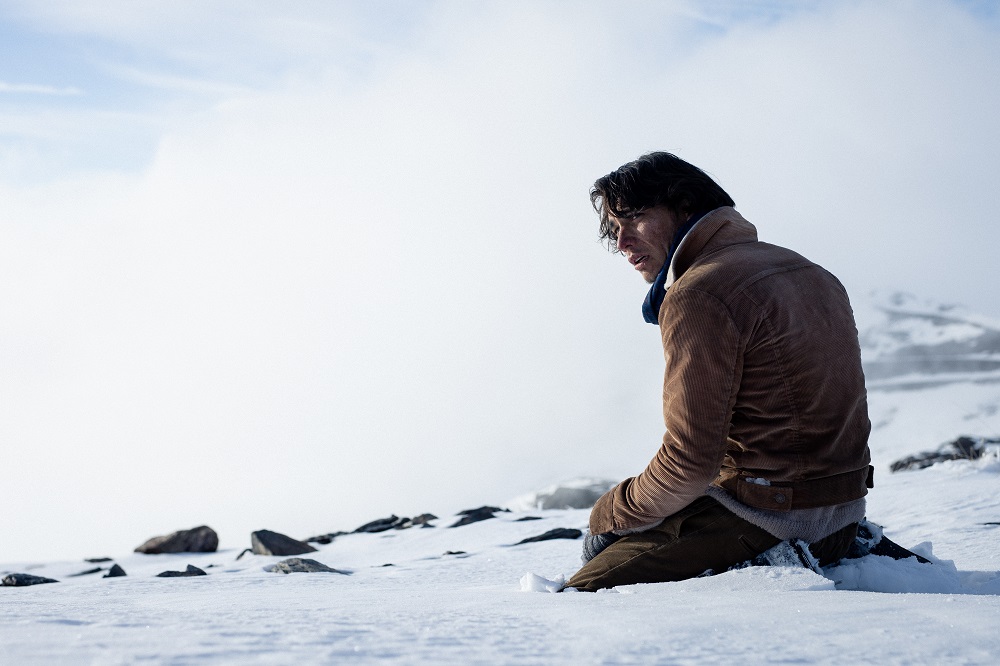
All social media is full of «curious facts» about this nightmare (few words can describe the hell on Earth the protagonists survived).
If you grew up in Mexico during the 90s, you might have watched this film on national TV on the primary children’s network, like me. I remember it being too cruel and making me think that it was unbearably sad and a bit harsh for my child-self to be watching that. When the internet arrived, I always crossed with two or three videos explicitly talking about the darkest point of this story. Still, thankfully J.A. Bayona’s film shows another side of it.
The special effects available today make the crash much more explicit and detailed than the 90’s US version. Your head explodes at the same time the whole group of protagonists suffers it, and the blur, silence, and screams of their accident become hard to shake off as a viewer.
But it’s not the technically perfectly crafted movie which gives you a deep and understanding point of view of the trauma of this group of people. If you’re not familiar with the story, a Uruguayan rugby team suffered a plane crash in the Andes on the Argentinian-Chilean border in 1972; around 40 passengers and only a few came back home. Their survival story and how they navigated through those two months in the mountains (2 months!!!) has impacted the world since then.
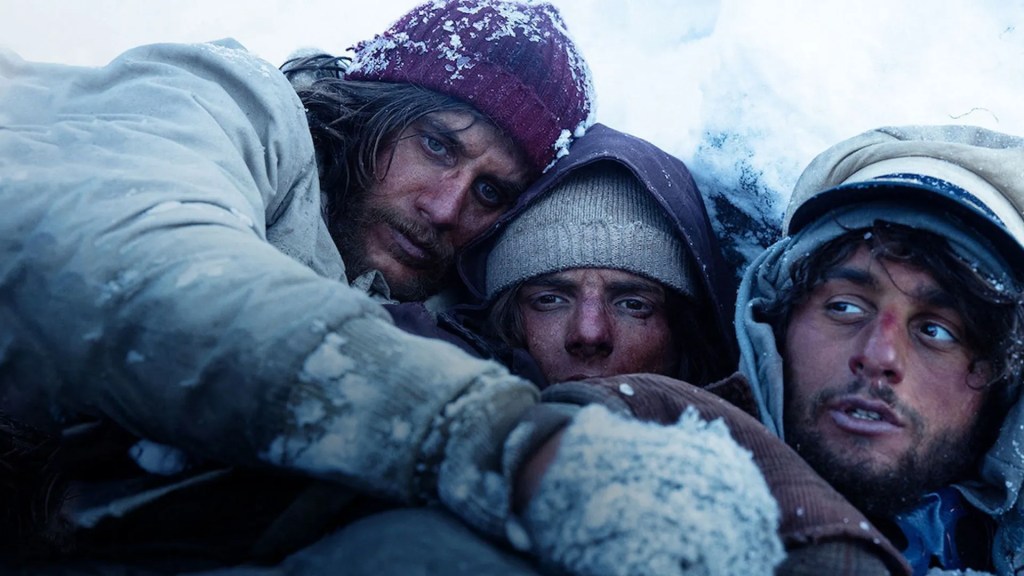
But what exactly was going through their minds all of this time? The Society of the Snow depicts perfectly the cruel bond they had to forge during the two months they were stuck in one of the coldest places on the planet.
The questions about survival, faith, destiny, and all other spheres of the human being are discussed during the movie. While you can know (from a quick Google search) who had survived, you can’t google and directly be touched by the horrible sensations they had during their time before the rescue.
I was traumatised by the rawness of The Impossible (also based on the actual 2004 Thai Tsunami), directed, also, by Bayona. I’ve never cried in a movie, just like I did with that one (I saw it on the 31st of December of the year of its release; the end-of-the-year nostalgia might have played against me). I could have been more clever with The Society of The Snow and had the tissues prepared. This is also a raw film, but, from a huge tragedy, it touches you in other level. I repeat, it’s not precisely because of the horrible accident but because of the strength these people found to survive; where do we find that? Where could I, MYSELF, could do that?
That thought rested in my head after dropping a couple of tears at the movie’s climax. Which would be my thoughts, or where would I be able to find the force to survive if I ever find myself with my life threatened?
Hopefully, instead of the anthropophagy, the first thing you’ll be googling is the numerous conferences and talks the survivors have given explaining their willingness to keep themselves alive during the adversity, how their lives continued and how their story has proven our human condition like very few we’ve known about.
Even being the 3rd recreation of the story, this is the most insightful and faithful interpretation and translation of all their emotions. This film makes justice and honours the lives of the ones surviving and the regrettable passing of those who didn’t. That’s the main reason to watch it: to learn about honouring life and getting along with the – sometimes inexplicable and horrible – existence of death.
-
The Holdovers: and our extraordinary capacity to create life-lasting bonds with the least expected people

The experience of watching these types of films on a big screen is becoming exceptional because stories that are not necessarily spectacular in visual terms are passed directly to streaming. And it’s wrong; this movie, launched just at the beginning of 2024, shows why a good comedy/drama (perfect balance of it) can compensate for the effort of spending on a movie ticket.
Regardless of the fantastic character Paul Giamatti brings to life, the film is worth it not only because of the development of his character but also because, cliché as it might be, it is a lovable and endearing story about a rebel pupil and his teacher.
As the movie begins, and they set the dynamic of this all-boy boarding school where the students want to leave the strictness and boredom «natural» of their social class, I had the feeling I might be about to watch a new and funnier version of The Breakfast Club, where each of them would take the role of a particular emotion and personality issues innate from their age and time would be displayed.
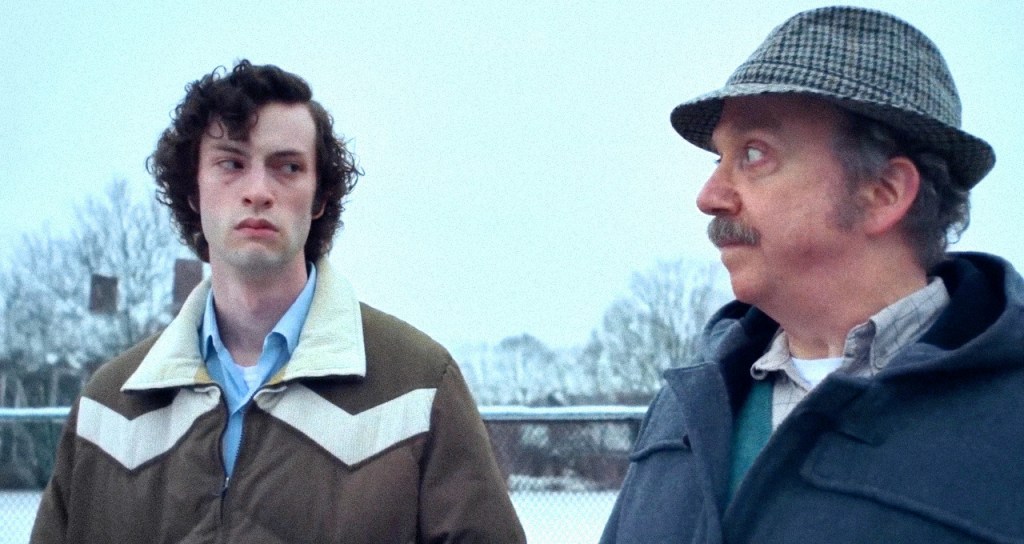
But no, this film is undoubtedly much more moving, amusing and memorable. Alexander Payne finds the perfect way of showing us how somebody can create a forever-lasting bond in just a couple of days, even when the situation is set to become a disaster, because it’s not only set in the coldest winter, in the most remote town in the U.S. but with characters going through deep grief, depression and teenage angst, which, as time passes, we understand all of it, is entirely justified.
Dominic Sessa is a debutant actor playing «Angus», a firstly unbearable 16-year-old boy whose beach vacations are ruined at the last minute. From the beginning, we get some clues as to why he is not a stereotypical ignorant teen boy, and this character’s evolution is well-written. You expect a brat, but he is not and is a surprise for movies where «of course,» as a rich kid, he will be unbearable. Thanks to the circumstances, and mainly because of his magnificent strict teacher, he is not, and we get reassured that he will not be in the future. The way we found it, through collaboration built through various memorable vignettes, is touching.
One of my favourite movies, Election, is also directed by Payne. As in The Holdovers, it depicts the relationship between pupil-teacher in a very particular but very relatable way. The unconsciousness of the weight of these bonds and their impact on our lives is one of the main lessons of these two movies (with Election doing it from strong doses of sarcasm).
You suddenly realise who has touched your life with such an impact, and it’s not your family; your teachers have a definitive role in setting your mind and thoughts, having a unique super force of lifting or bringing you down. The Holdovers is a story in which Paul Giamatti’s character shows how surprising – in a good way – life can be if the right people cross on your path, particularly, at school where everything seems to be pointing to boredom during our adolescence.

This now Oscar-nominated film has so many little adventures between its main three leads and moments that are genuinely memorable, making you think about your formative years (I found out that mine were challenging but super enriching), and it is the kind of film not only made for a movie fan but a delightful experience for those who enjoy having a good time regardless of your favourite type of entertainment. It’s a perfect Christmas movie, it really is.
Its magic and originality also radicate in its simplicity, which we’re in such a drought nowadays, with a pretentious and uber-elaborate sequel of sequels. Please, more «normal» stories, PLEAAAAASE.
-
«Poor Things»: you mean, «an introspection of the heart and soul»

What a great feeling it is to go out of a movie and want to tell everyone they must see it! I had it with Oppenheimer and Barbie last year, but Poor Things is on another level and touches another string, one that may not be touched by a fantastic drama. As a pop culture fan, I want to think people will become very, very fond of Bella Baxter (Emma Stone) and will talk about her as an example of a wide variety of situations or will set it as a reference to explain a specific set of feelings, which can include naivety, discovery, excitement, sexual excitement, wisdom or even tenderness.
All that range is what covers Emma Stone in this movie and why she is being so praised. Her character’s story evolves in the most precious way – figuratively and literally – as the treatment of her purpose in life or her sexuality (and EVERYTHING it could involve) is subtly or explicitly depicted with so much and so little at once.
Poor Things is the story of a poor (figuratively speaking) woman who mysteriously falls into the hands of a so-called doctor/inventor with a massive abandonment and ego complex that makes him genuinely believe he can transform life itself by experimenting with minds and bodies as if they were wood puzzles transgressing all natural laws. And by natural laws, we start with the ones having to do with the most philosophical and mystical of them, the ones that have to do with our souls and conscious – or not – nobility.

Poor things is a tidal wave of emotions that we discover through a physical interpretation of the protagonist. Bella Baxter asks, dances, trembles, crumbles and mingles in the most tender, quirky and anxious way. I can’t think of many characters that make you discover their core as Bella does when, at the same time, she is forcing you to re-discover the world or start thinking about why you had already thought you knew how to react to almost everything.
There is a point in life where we assume and just stop wondering, wandering or asking. Why do we become so lazy and lose this sense of curiosity in life? A movie like this one starts revolting your mind while watching Bella struggling somewhat with her walk or even with the discovery of pleasure in her body. The audience was perplexed during the 2h30 of the movie, and like me, the entire room was asking themselves, how is this so funny but awkward, colourful, endearing but also… profound?
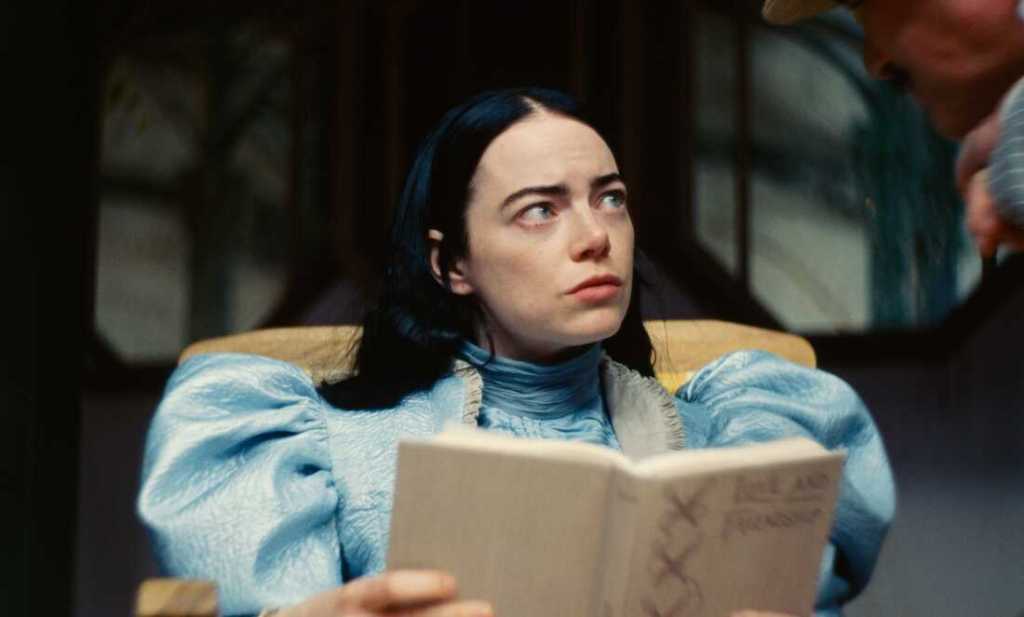
© 2023 Searchlight Pictures All Rights Reserved. You start thinking a lot during the whole movie while Bella is still dancing, travelling and getting embedded in your head as the representation of many feelings and circumstances that may have been put in the back of your mind a long time ago.
Human nature flourishes before your eyes and feels like a new-screen sensation during this magical film. In this fantasy tale, which includes an endearing performance by an always precise Willem Dafoe as a firstly creepy but also moving character named «God» and Mark Ruffalo as a despicable lawyer/kidnapper/aristocrat, Bella is allowed to live a new life at the same time we’re proposed to seek or revisit ours with that same freshness and non-prejudice perspective of hers.

Bella is described as «retarded» by one of the characters at the beginning of the film. Still, we’re about to discover that actually, we’re the ones fitting in that category, and for all sorts of reasons different from what we could think of as «retardation», for instance. By the end, we know that the word has acquired a new meaning, much closer to «missing curiosity for life».
-
Priscilla, Why not going further ? – mini review
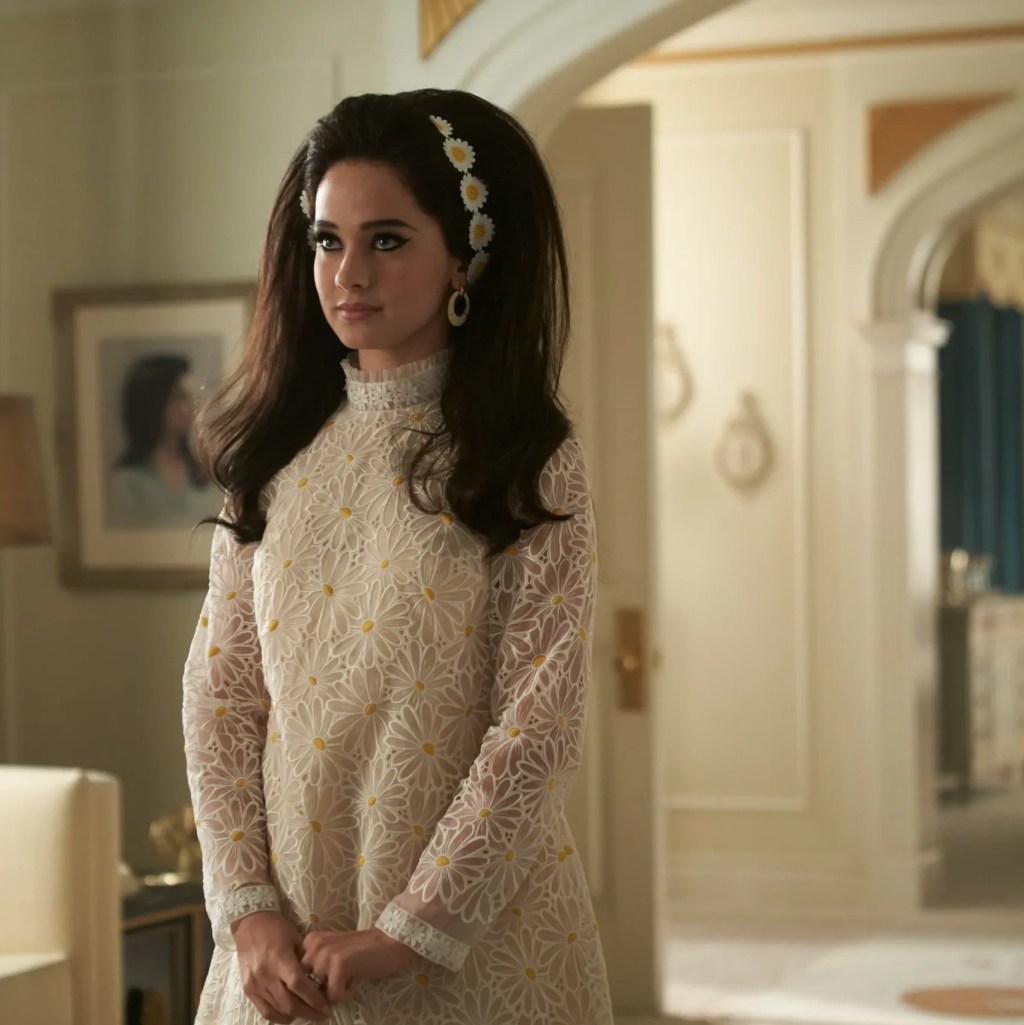
I recently saw that Sofia Coppola is 52 years old. As an author, director, and creator of a wine brand, having done what she has done, no matter how nepobaby it is called, seems incredible. I have always loved the subtext that his films have beneath all those pastel tones and silk lights. However, it does not appear in Priscilla. Having seen Elvis (2022) so recently, I already knew roughly his relationship with the singer, which made the film grey for me.
The evolution seems very obvious: flat and contained. That’s the word: contained.
Although it is based on Priscilla’s autobiography, it is a story written some time ago when Priscilla Presley still had to keep specific passages and feelings from her personal life to herself.
The film could have been a perfect canvas to reveal new passages and have another perspective than that of someone who «seemed» to be mistreated but who was lost along the way. Although it is shown that the violence he was under was mostly psychological, it is still all repetitive strokes of everything he experienced and becomes insipid.
Cailee Spaeny is an angel, and Jacob Elordi, the egomaniac Elvis, is also shown (he can deliver many other emotions, though being a super fan of Euphoria and having already watched Saltburn and even The Kissing Booth, I might be biased). Great chemistry between the leads but little substance.
That melancholy so characteristic of Sofía’s films, palpable in The Virgin Suicides, Somewhere and super punctual in Lost in Translation, is diluted in Priscilla. The contrast between the beauty of Priscilla’s world – starting with her – never ceases to impact.
Why is it that if we assume that we know what Elvis did in Germany, we also assume that we understand what Priscilla did after Elvis? And if this movie is not about Elvis and is about Priscilla, why do they spend two hours just talking about her relationship with him and not how she was able to get away from him?
The purpose of letting the side of this story be seen through her point of view not by Elvis or his biographers is valid, but among all the built fantasy where is that empathy that we manage to have in cinema when we feel close to a reality, no matter how fictitious it may be ? Well, it’s not here, at least not for me.
FR – oui, j’essaie !
J’ai vu récemment que Sofia Coppola a 52 ans. En tant qu’artiste, réalisatrice et propiétaire d’une marque de vin, avoir fait ce qu’elle a fait -peu importe que certains l’appelle nepobaby – me semble incroyable. J’ai toujours aimé le sous-texte que ses films ont sous tous ces tons pastel et ces lumières de rêve. Tout ça, il n’apparaît pas dans Priscilla. Car j’ai vu Elvis (2022) si récemment, je connaissais déjà à peu près sa relation avec le chanteur, ce qui a rendu le film gris pour moi.
L’évolution semble très évidente : plate et contenue. C’est le mot : contenue.
Même basée sur l’autobiographie officielle de Priscilla, il s’agit d’une histoire écrite il y a quelque temps, alors que Priscilla Presley – peut-être – devait encore garder pour elle des passages et des sentiments spécifiques de sa vie personnelle. Le film aurait pu être une toile parfaite pour révéler de nouveaux passages et avoir une autre perspective que celle de quelqu’un qui «semblait» maltraité mais que jamais l’affirme avec plus de sincerité dans le film.
La violence qu’elle a subie était principalement psychologique, mais, le film est rempli de juste une suite de coups répétitifs de tout ce qu’elle a vécu et devient insipide.
Cailee Spaeny est un ange, et Jacob Elordi, l’égocentrique Elvis, est également bien représenté (il peut délivrer bien d’autres émotions, même si étant un super fan d’Euphoria et ayant déjà regardé Saltburn et même The Kissing Booth, je pourrais pas être partial à 100%). Excellente empathie entre les protagonistes mais peu de substance.
Cette mélancolie si caractéristique des films de Sofia, palpable dans The Virgin Suicides, Somewhere et super ponctuelle dans Lost in Translation, est diluée dans Priscilla. Le contraste entre la beauté du monde de Priscilla – à commencer par son physique- ne arrive pas à avoir un impact.
Pourquoi, si nous supposons que nous savons ce qu’Elvis a fait en Allemagne, nous supposons également que nous comprenons ce que Priscilla a fait après Elvis ? Et si ce film ne parle pas d’Elvis mais de Priscilla, pourquoi passent-ils deux heures à parler uniquement de sa relation avec lui et non de la façon dont elle a pu finalement s’éloigner de lui ?
Le but de laisser le côté de cette histoire être vu par elle et non par Elvis ou ses biographes est valable, mais peut-être que parmi la fantaisie, où est cette empathie que l’on parvient à avoir au cinéma quand on se sent proche de la réalité, aussi fictive soit-elle ? Eh bien, ce n’est pas ici, du moins pour moi.
-
Miss Americana – Taylor Swift Netflix (mini opinion)
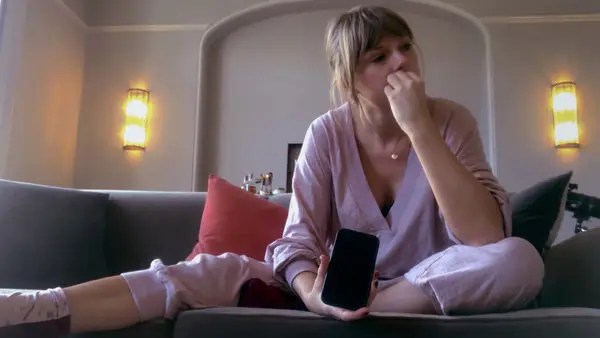
I’ve never considered myself a #Swiftie at all, but this is a good documentary for any pop culture fan, though it’s a very tailored one; even if we see her at her lowest (artist crisis due to a non-critically acclaimed album), there’s still something that doesn’t feel transparent, meaning THIS is the version she wants us to see and believe from her.
Nevertheless, now I understand why she is at the top, and she’ll continue being there, even if I don’t connect with all of her music catalogue because of her persona (which actually shouldn’t interfere with me liking the music, but hey, #millennialproblems…)

It’s great to see her professionalism and determination from a very young age up to this day; there is no doubt that she is a great performer and a super creative person, I applaud her the fact of accomplishing so much being only driven by her desire to sing, it’s inspiring (and it should be for all these teens who project their future-selfs only as “youtubers”).
On the other hand, her staff and even her parents, don’t come out that safe from it; why would she have to ask and consult with them her political preferences and even ask for forgiveness before speaking out loud about them (because it would crash with her goodie-goodie image)? She’s 30 years old now, but I guess that it’s a consequence of being so good as an artist that it becomes challenging to be also that great as a human being; I see she tries to achieve both, which seems exhausting.
Give yourself a break Taylor, you’re too good. We know it, and you should too.
-
Barbie movie : ¿Por qué no podemos vivir en un mundo perfecto? Barbie, lo explica con manzanas – mini opinión (sin spoilers)
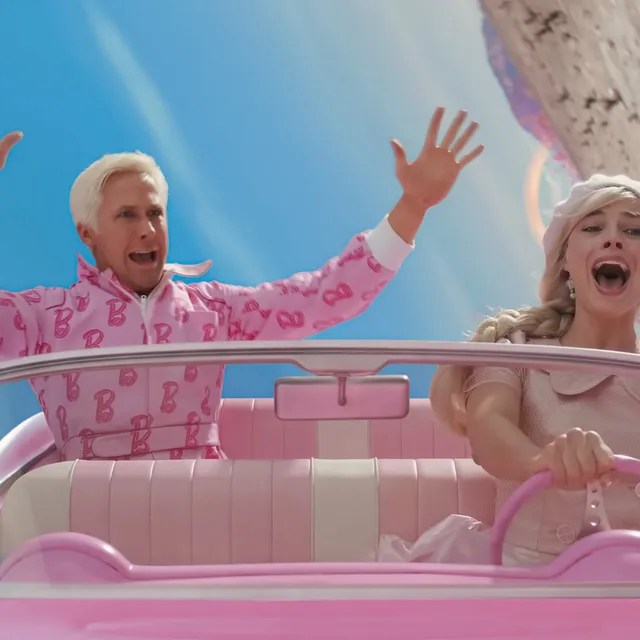
#Barbie, y su premisa de “Ser lo que quieras ser” es el eje central de su película y el hecho de que su slogan ponga sobre la mesa todo un debate sociológico rodeado de colores vibrantes, música y baile ,es impresionante. #Barbie, se mete con la existencia en el plano filosófico, con el capitalismo brutal bajo el que nació, del que se convirtió en símbolo y en el que tiene que sobrevivir.
¿Cómo uno de los modelos a seguir más grandes ha logrado seguir a flote en un mundo que le pone todas las trabas para lograrlo por el simple hecho de estar basado en una mujer?
Esas trabas vienen en forma de fantasía, de escenarios que despiertan una gran nostalgia por haber sido calcados de un juguete que probablemente estuvo en tus manos y de viñetas llenas de momentos burdos pero que aún así hacen total sentido.
Es de apreciar la producción y cada cuadro cómo quieres volver a jugar y conocer #Barbieland, es mágica (gracias, Rodrigo Prieto).
Demandante para el espectador (hay que estar al día con la agenda política y cultura popular), #Barbie es una película que corre rápido, donde hay sorpresas y encanto todo el tiempo. Toda una fantasía, una sátira, una crítica, un musical, comedia ligera para unos y con un subtexto difícil de aguantar para otros.
Y a esos a quienes incomode, son la razón por las que esta película funciona, porque esos chistes rayan en algo que tendría que ser absurdo, pero son parte de una violencia tan normalizada que “pica” a quien de pronto se ve señalado en pantalla, entre tonos rosas y en forma de un muñeco Ken. Absurdo, pero real.
Elegir una mujer con un físico casi perfecto para hacer una crítica al mismo, es la ironía perfecta para que Barbie funcione. Margot es tan vulnerable, como cualquiera que “quiera ser lo que quiera ser”. Y Ken, es asunto aparte, conociendo casi toda su filmografía, creo que esto es un top 5 para #RyanGosling. El tono que logra, me hace querer repetir cada escena en la que sale, más comedias Ryan, please!
Ojalá haya muchos temas más que en forma de bombón de azúcar sean tan bien bajados y representados como en Barbie.
Qué buen rato tiene uno cuando ves a Ryan Gosling cantar, hacer una mini revolución, a Wil Ferrell tan absurdo como siempre, a Dua Lipa y Jon Cena compartiendo escena, Margot Robbie haciendo que tu muñeca favorita cobre vida (no es cierto, yo era más de Cabbage Patch), todo bajo el gran pretexto de poner en evidencia que a pesar de tanto rosa, glitter y diversión, 60 años después de haber sido creada, con una película y el mejor elenco, Barbie y nosotros seguimos viviendo en un descomunal – y resistente – patriarcado.
EN version
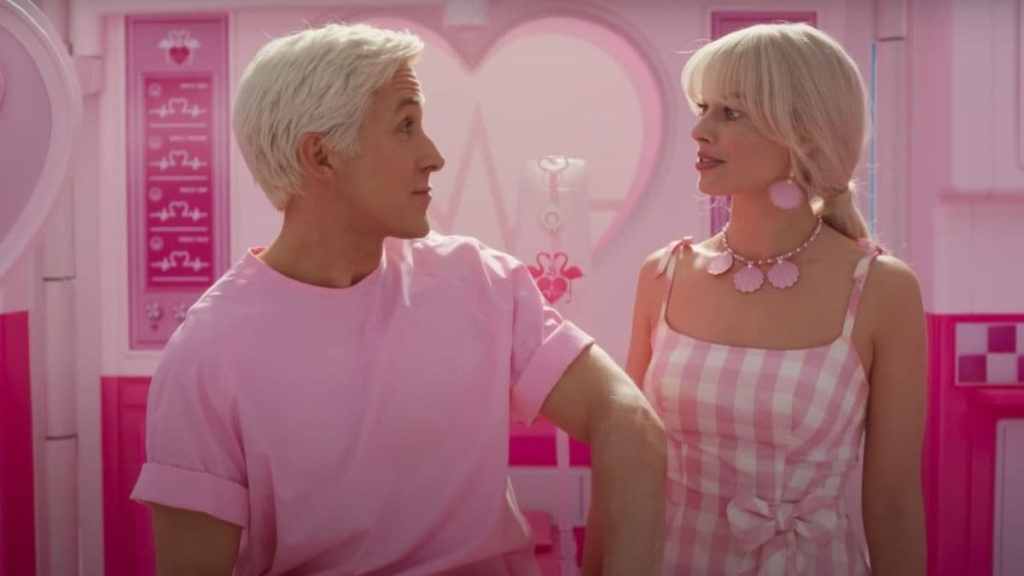
#Barbie, and her premise of “You can be anything“ is the central axis of her film and the fact that her slogan puts a whole sociological debate on the table surrounded by vibrant colors, music and dance 👯♀️, is impressive . #Barbie plays with existence on a philosophical level, with the brutal capitalism under which she was born, the same where she became a symbol and in which she has to survive.
✨How has one of the greatest role models in the world managed to stay afloat in a world that challenges her with all kind of obstacles to achieve it and bothers her for the simple fact of being based on a woman? ✨
💥These obstacles come in the form of a fantasy, of scenarios that arouse great nostalgia as they were carbon-copied from a toy that was probably in your hands and of scenes full of crude moments that still make total sense.
🌈 The high quality production and each color on screen, make you want to play again and meet Barbieland, it is magical (thank you, Rodrigo Prieto).
Demanding for the average viewer (you have to be up to date with the latest political agenda and popular culture stories), Barbie is a movie that runs fast, where surprises come out and charm sparkles all the time. A whole fantasy, a satire, a criticism, a musical, a light comedy for some and with a subtext that is difficult to handle for others.
💡And to those who may feel uncomfortable, they are the reason why this film works, because those jokes border on something that should be absurd, but they are part of such normalized «subtle» violence that «stings» whoever feels suddenly pointed out in screen, between pink tones and in the form of a Ken doll. Absurd, but real.
Choosing a woman with an almost perfect physique to criticize it, is the perfect irony for the Barbie movie to work out. Margot is as vulnerable as anyone who grows up with the mindset of “you can be anything.” And Ken, that’s a separate matter; knowing almost all of his filmography, I think this is a top 5 for #RyanGosling. The tone he achieves makes me want to repeat every scene he appears in…more comedies Ryan, please!
Hopefully there are many more themes that in the form of sugar candy are as well as displayed and represented as in Barbie.
What an experience you have when you see Ryan Gosling sing, make a mini revolution, Wil Ferrell as absurd as ever, Dua Lipa and Jon Cena sharing a frame, Margot Robbie making your favorite doll come to life (not true for me as I was more a Cabbage Patch fan), all under the great excuse of proving that, despite all the pink, glitter and fun, 60 years after it was created, with a movie and a star-studded cast, Barbie and we all, continue to live in a huge and – pretty resistant – patriarchy.
-
Birds of pray – movie mini review

Most of the times I see #MargotRobbie I think a lot about how she is my age and how she looks a bit older, which is shallow and dumb. But I want to point out the following: she is incredibly talented, not only in her craft as an actress👩🏼 but also as a creator and business women. In a time where Natalie Portman has to wear a cape at the #Oscars to remind the world about women not being recognised enough, Margot, is also doing it by making and producing movies that open a very exciting path for future entertainment fellows.
She’s in a film, that I read as “yes, we are all victims, even if we don’t look like one, because actually all women have been one” and in another one, where is really, really clear – and without the fuzz of Captain Marvel – that , “yes, women can absolutely carry an action film, in group and it doesn’t feel forced AT ALL”. In #Bombshell, she has the most difficult and violent scene, one that makes everyone uncomfortable, because, how have we been living for centuries thinking that is normal? You feel her struggle, guilt and fear 😖.
Her latest, #BirdsOfPrey (where she produces also), is fun, with sparks, jokes, lots of broken bones and bleeding noses everywhere aaaand you don’t miss your typical misterious super macho superheroes, because in all levels, #HarleyQuinn and co. are as misterious, cool, fast, strong and intelligent as mmm, Batman (the sad Ben Affleck one doesnt count hehe).
In fact they have always been, but have we seen it on a big budget film where there is no “romantic interest” or a male superhero storyline above it ? You may think of this film as just very well shot or written, but not relevant, but really, a whole female ensemble leading an action film is not common (what you can think of ? Spice Girls World?) I mean #Joker was cool, but did we need a 3rd version of him ? Can’t wait for Margot to reboot Sucker Punch, or do a #SailorMoon or something 🙃. #GoMargotGo
-
The Laundromat – Netflix – mini review
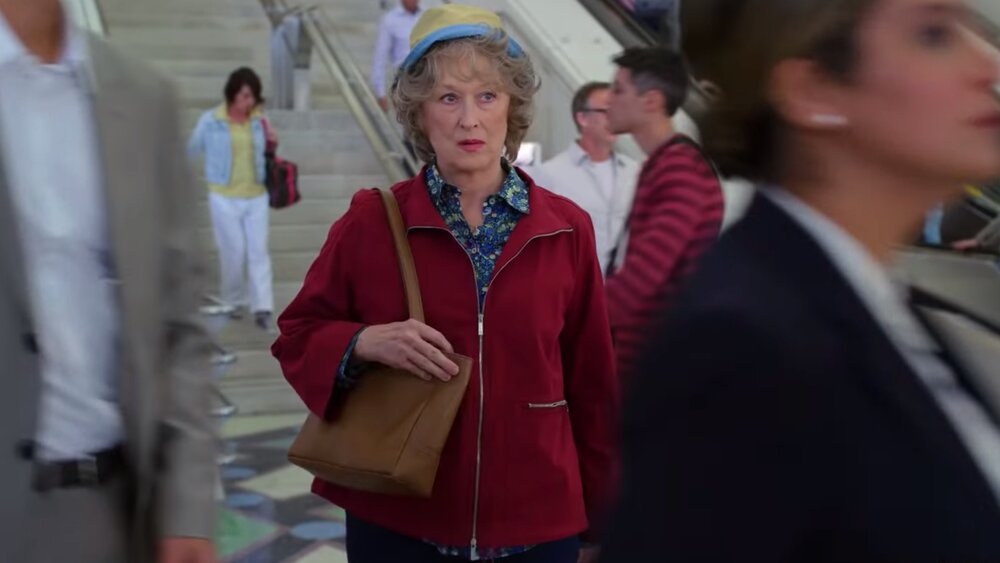
🏝💶#TheLaundromat💶🏝 Demasiada ambición de quienes hicieron esta película; además la fórmula para explicar fraudes inmobiliarios complejos tumbando 4ta pared de forma sarcástica, está muy fresca con #TheBigShort. The Laundromat, es una trama muy simple que se quiere volver complicada y sin mucha razón.
David Schwimmer y Sharon Stone sin aportación más que “Oh! Siguen haciendo cine”. No le quita lo entretenida porque el caso en sí es interesante, además de que tratar un tema como los Panama Papers de una forma un tanto resumida, no está de más. Bien, pero ¿no se perdió mucho tiempo en ciertas viñetas de la historia? Se siente lejos lo que pasa entre Meryl, Gary y Antonio.“ Más #Meryl y menos bla, bla” y todo hubiera sido diferente.
Inicio
 La Vie Not Rose